

livewall
← All articles
Loyalty8 January 2026·Livewall

Emotional loyalty vs transactional loyalty: the design difference that matters

Points and discounts keep customers transacting. Emotional loyalty keeps them coming back. Here's why the distinction shapes every design decision.

loyalty-programscrmretail

Most loyalty programmes do exactly what they promise: customers come back for the discount. And then it stops. When the offer expires, the customer disappears.

That is transactional loyalty. It works, but it is fragile. Competitors can match the deal, often cheaper. You are buying behaviour, not commitment.

Emotional loyalty works differently. Customers do not return for the points. They return because the brand means something to them. Because the interaction feels like something they own. Because it is enjoyable, surprising, or speaks to who they are.

At Livewall, we design loyalty experiences for brands like HEMA, Decathlon, and Rituals. What we see consistently: the difference between a programme that runs on discounts and one that builds genuine connection is not in the reward. It is in the design.

Livewall perspective

Transactional loyalty buys behaviour. Emotional loyalty earns connection.

What makes the difference in design?

Transactional programmes are built around the purchase. You buy something, you earn something, you redeem. That is the loop. Everything pivots on the transaction as the trigger.

Emotional programmes are designed around the customer as a person, not a buyer. They answer different questions:

  • What does this brand mean to this customer outside the product?
  • Which moments beyond the purchase also deserve recognition?
  • What does it feel like to belong to this programme?

It is about identity, not incentives. Rituals, not rules. The feeling that you are part of something.

That translates into concrete design choices. A transactional programme gives points per euro spent. An emotional programme gives recognition for who you are as a customer, for your preferences, your behaviour, your involvement.

Three design decisions that make the difference

1. Reward engagement, not just purchases

Transactional programmes tie every reward to a purchase. That makes sense from a margin perspective, but it sends customers the wrong signal: they see the programme as a mechanism to buy cheaper.

Emotional programmes also reward other behaviours. Writing a review. Completing a challenge. Playing a game. Those moments have no direct commercial value, but they build a habit. They make the relationship wider than the checkout.

2. Give the programme its own identity

A points balance is not a brand. A world is. Brands that want to build emotional loyalty give their programme a name, a feel, its own vocabulary.

Consider McDonald's Spain MyMcDonald's World, where the app transforms into a destination customers actively want to visit, with mini-games and seasonal areas. Or the Rituals advent experiences that created daily return visits throughout the entire festive period.

3. Create return reasons outside the purchase cycle

The purchase cycle is the enemy of emotional loyalty. If customers only return when they need something, you are fulfilling a need, not building a habit.

Programmes with emotional value create reasons to return that stand apart from buying. Daily challenges, seasonal content, community elements. Gamified loyalty works well here: game mechanics make the space between purchases meaningful.

Decathlon always-on loyalty programme

Decathlon: daily movement as the foundation for member engagement

When to choose which approach

Transactional loyalty is not wrong. For categories with high purchase frequency and low emotional involvement, such as grocery retail, fuel, or fast food delivery, a transactional system is perfectly appropriate. Customers do not want to think too much. They just want the benefit.

But for brands that want more than repeat visits, for brands that want to become the preferred choice, transactional loyalty is a ceiling.

The question is not whether you offer points. The question is: what does your brand mean to the customer outside the moment of purchase? If the answer is 'nothing in particular', you are building on sand.

Emotional loyalty requires a different way of thinking about your programme. It does not start with the reward catalogue. It starts with the question: what experience do we want our customers to have? And how do we build a system that reliably delivers that experience?

5-7xhigher lifetime value for emotionally loyal customers vs. purely transactional members
3xhigher likelihood of recommending to friends or family
62%of emotionally loyal customers ignore competitor promotions

The design principle that ties it all together

When Livewall designs a loyalty programme, we ask one question that sets everything in motion: would a customer miss this programme if it were gone?

A transactional programme is missed for the discount. An emotional programme is missed for the feeling.

That is the difference. And it shows up in every design detail, from the name of the programme to how you address members, from the structure of challenges to how you welcome new participants.

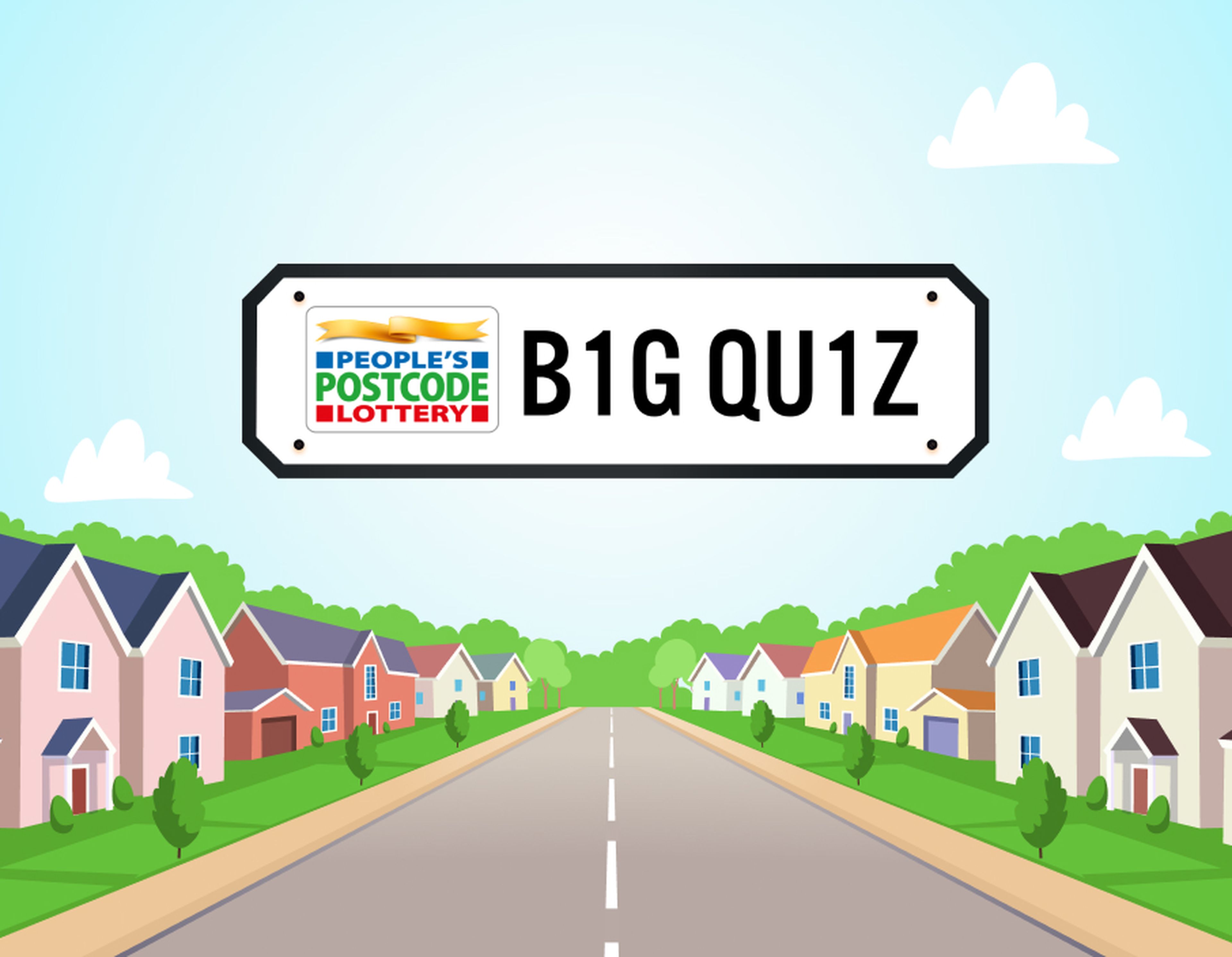
People's Postcode Lottery demonstrates this well: the postcode-based mechanic turns participation into a shared neighbourhood experience. Winning is always collective. That is emotional weight no points budget can buy.

Want to see what loyalty programme design looks like when it starts from emotional connection rather than transaction logic? We are happy to explore that with you.

Livewall

Ready to build beyond points and discounts?

At Livewall we design loyalty programmes that connect customers to your brand, not just your price. Strategy, platform, and campaign in one team.

Get in touch with our team

What we do

Livewall builds brand experiences that people actually remember — interactive campaigns, loyalty platforms, digital products, and employer branding for ambitious brands.

Our work

We've worked with HEMA, Stabilo, Wehkamp, Efteling, 9292 and many others. Every project starts with the same question: what would make someone actually want to do this?

Talk to us

Working on something similar? We'd love to hear about it.

Contact Livewall →