


livewall
← All articles
Digital Products7 January 2026·Livewall

Designing product pages that convert without compromising brand

Most product pages optimise for conversion at the expense of brand experience. Here is how to design pages that do both without one undermining the other.

digital-productsuxweb-apps

Most product pages are built by two teams that never talk to each other. The conversion team wants prominent CTAs, urgency triggers, and no distractions. The brand team wants atmosphere, typography, imagery, and a page that genuinely feels like the brand. Both teams are right. And yet they keep working against each other.

The result is a page that looks like a brandless webshop, or a moodboard where you can't find the buy button. Neither is good enough.

At Livewall we design digital products for brands that want both. Brands that understand a stripped-down conversion page costs them trust over time, and brands that know a beautiful page without conversion logic produces no results. The answer is not compromise. It is the right design.

Conversion and brand experience are not opposites

The assumption that conversion and brand experience are mutually exclusive is wrong. They operate at different levels. Conversion is about structure, hierarchy, and clarity. Brand experience is about tone, visuals, and trust. You can have both, as long as you design them in the right order.

Start with the user, not the brand guidelines or the conversion goal. What does someone need to know on this page? Which doubts need answering? What feeling should the page leave behind? When you answer those questions through the lens of behaviour, everything else follows.

A well-designed product page has a clear information structure that supports conversion paths, and a visual language that makes the brand instantly recognisable. That is not magic. That is UX/UI design that starts from both requirements at once.

Livewall perspective

A brand that looks good but does not convert is just as broken as a page that converts but damages the brand. Good design solves both at once.

The four mistakes that cause this to go wrong

1. Brand identity is added late Many teams start with a conversion wireframe and layer the brand on top afterwards. That rarely works. Colour, typography, and imagery are part of the information structure, not decoration sitting loosely on it. Add them late and they break hierarchy rather than reinforce it.

2. Every block has its own voice Product pages grow organically: a section from the marketing team, a paragraph from the product manager, a block from the conversion specialist. The result is a page that looks incoherent, even when the individual pieces are fine. Brand consistency requires an editorial decision that spans the whole page, not just a style guide.

3. Visual richness hurts load time A beautifully crafted product page with large images, animations, and video previews can strengthen the brand experience. But if the page takes three seconds longer to load, you lose conversion. Both goals require technical attention. That is not a design problem. That is a product problem.

4. Mobile is an afterthought Most product pages are designed for desktop and then squeezed down to mobile. But most users are on their phones. A product page that looks great on desktop but buries the CTA below the fold on mobile converts badly. And it does not look good either.

Sportvisunie platform overview showing clear navigation structure and brand identity working together

Sportvisunie: a community platform where information architecture and brand experience were designed together from day one

How to get it right

Well-designed product pages start from a shared goal. Not 'the page must convert' and 'the page must feel on-brand', but 'the page must convince someone who is hesitating'. That is one objective that contains both requirements.

From that shared goal you design the information hierarchy. What goes at the top? What answers the first question? What resolves the second doubt? This structure is simultaneously the conversion path and the narrative path. A strong headline is also a CTA. A clear product benefit is also brand positioning.

The visual language reinforces this structure. Colour directs attention to the right element. Whitespace gives the eye rest and creates focus. A strong product image persuades and represents the brand at the same time. Nothing stands alone.

What this demands is a design approach where strategy, UX, and visual design sit in one team. Not a handover from strategy to design to development. At Livewall we consistently work through integrated web application development where those disciplines operate as one. That is what makes pages like this work.

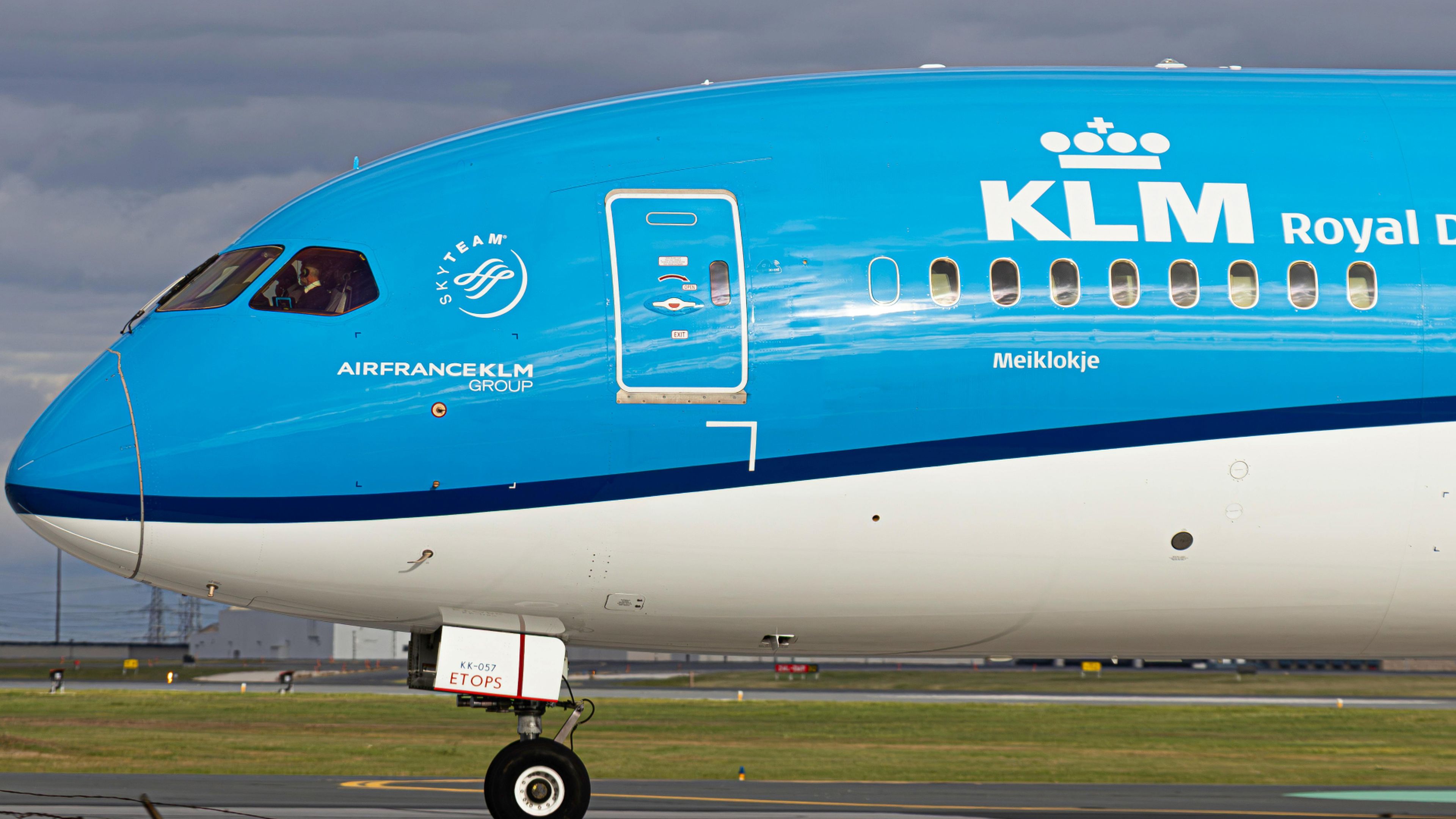
The KLM scalable growth case is a good example of this logic applied at scale: a system where brand consistency and conversion logic stay aligned across more than 50 markets, because both were built into the architecture from the beginning.

73%of users leave a page when visual hierarchy is unclear
3sis the maximum load time before conversion drops significantly on mobile
2xhigher brand recall when visual language is used consistently throughout the page

What designers and marketers both need to let go of

Designers need to accept that a page serves a commercial goal. Beauty without function is not good design. A CTA that is visually subordinate to the background illustration is a design failure, even if the illustration is stunning.

Marketers need to accept that brand experience is not a cost centre but a conversion factor. Trust is one of the strongest drivers of purchase decisions. A page that looks cheap or incoherent costs you conversion, even when all the optimisation rules have been followed.

The best product pages are made by teams that understand both and take joint responsibility for the outcome. A digital strategy that does not carry this insight into the brief steers teams in the wrong direction from the first meeting.

At Livewall, we see this challenge come up regularly. The solution always starts with the same question: where is the user in the purchase journey when they land on this page? The answer determines what needs to be on the page, in what order, and with what visual weight. Anything that does not serve that moment does not belong there.

Livewall

Product pages that look right and convert

At Livewall we design and build digital products where brand identity and conversion logic are developed together from the very first sketch. Want to know what that looks like for your product?

Get in touch with our team

What we do

Livewall builds brand experiences that people actually remember — interactive campaigns, loyalty platforms, digital products, and employer branding for ambitious brands.

Our work

We've worked with HEMA, Stabilo, Wehkamp, Efteling, 9292 and many others. Every project starts with the same question: what would make someone actually want to do this?

Talk to us

Working on something similar? We'd love to hear about it.

Contact Livewall →