


livewall
← All articles
Engagement4 April 2026·Livewall

Content strategy for Gen Z: what actually earns attention

Gen Z does not consume content passively. Here is what platform-native content for younger audiences actually requires, and why most brand strategies get it wrong.

social-mediacampaignstiktok

Gen Z does not scroll through content. They actively select. A video that does not deliver on something within three seconds gets scrolled past. A campaign that feels like advertising gets ignored. And a brand that does not understand platform conventions loses credibility immediately.

At Livewall, we work with brands trying to reach younger audiences. What we see repeatedly: most brands treat TikTok and Instagram as distribution channels for existing content. That does not work. Building platform-native content requires something fundamentally different. You start with the platform, not with your message.

What platform-nativity actually means

Platform-nativity is not a stylistic choice. It is a strategy that starts with the question: how does this platform behave, and how can we move with it rather than against it? TikTok rewards remixability, sound integration, and honesty. Instagram Reels rewards visual quality and aspirational storytelling. Neither rewards a polish that feels like a TV commercial.

Gen Z has a finely tuned detector for inauthenticity. They recognise slick product videos. They know when a trend is being forced. And they respond instinctively to realness. That does not mean content needs to look rough. It means it needs to feel genuine.
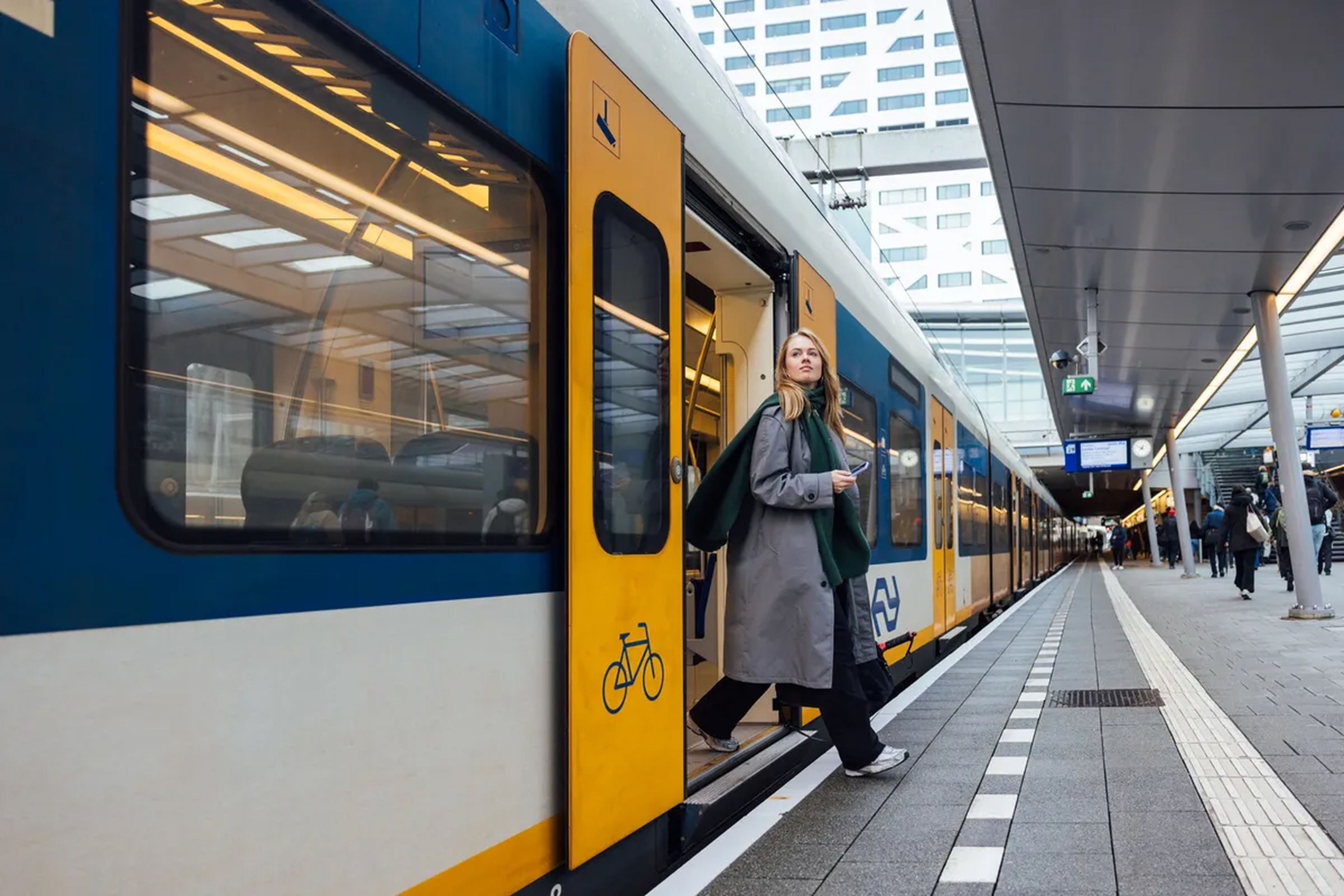

9292 TikTok social content production for Gen Z audience

For 9292, Livewall produced platform-native TikTok content built around how younger audiences actually use the app.

The three mistakes brands make most often

1. Repurposing instead of reimagining

Cropping a TV spot for TikTok is not enough. Viewing habits, sound use, and narrative pacing are completely different. Content that works for broadcast rarely works platform-native. You need to start over at the format level, not the edit.

2. Picking up trends after they have already peaked

Trends on TikTok live for weeks, sometimes days. Brands that need three rounds of approvals are always late. Fast content requires fast decision-making. That is an organisational problem, not a creative one.

3. Continuing to play one-way traffic

Gen Z expects interaction. They respond to duets, stitch videos, replies, and comment sections. Brands that broadcast content without engaging the conversation miss the social nature of social media. Engagement is not a byproduct. It is the goal.

Livewall perspective

Brands that treat TikTok as a distribution channel for existing content are wasting their budget. You start with the platform, not your message.

What platform-native social campaigns actually require

Good Gen Z content has a few constants, regardless of platform:

A strong opening. The first second is everything. Not a logo. Not a gentle intro. A hook that grabs attention immediately.

A clear feeling, not a full story. Gen Z wants to understand how something feels, not receive a complete explanation. Emotion comes before information.

Sound as strategy. On TikTok, sound is a first-class element, not an afterthought. Music choice, sound effects, and voice-over are part of the format itself.

Participation mechanics built in. Content that invites a reaction, stitch, or duet consistently outperforms content that does not. For every video, ask: what do I want people to do with this?

At Livewall, we call this social-native content: formats built for the platform, not borrowed from broadcast. The difference shows in the results.

3 secThe maximum attention window before Gen Z scrolls past
2xlonger watch time for platform-native formats versus repurposed campaign films
60%of Gen Z discovers new brands through social video, not paid advertising

Organisational structure as the real bottleneck

One of the biggest obstacles to brand content that actually connects with Gen Z is internal. Approval processes that take weeks are incompatible with platform timelines measured in days. Brands that genuinely want to work with younger audiences also need to change their internal decision-making structure.

That means: small content teams with broad mandates, fast production cycles, and a willingness to try things that do not work. Not everything needs to be a campaign. Some content is exploratory. Some posts go nowhere. That is part of it.

The fear of being seen as a brand that does not get it is, paradoxically, exactly what produces content that proves you do not get it. Authenticity requires a degree of courage most brand governance processes are not designed to support.

What Gen Z actually values

Gen Z is not anti-brand. They are anti-fake. They follow brands that are honest about what they are, that understand humour, that are not desperately trying to be cool, and that speak the language of the platform. They are willing to support a brand that behaves like a decent person on the internet: helpful, funny, occasionally vulnerable, always genuine.

This applies to interactive campaigns too. Campaigns that invite Gen Z to participate, make something, or share an opinion consistently outperform campaigns that treat them as a passive audience. Participation creates ownership. Ownership creates distribution.

Brands that understand this build something no media budget can buy: credibility with a generation that is not responsive to traditional advertising.

Livewall

Content that earns Gen Z's attention, not just their feed

At Livewall, we build platform-native content and social campaigns for brands that take younger audiences seriously. Not repurposed TV spots, but formats that genuinely match how Gen Z consumes and shares content.

Get in touch with our team

What we do

Livewall builds brand experiences that people actually remember — interactive campaigns, loyalty platforms, digital products, and employer branding for ambitious brands.

Our work

We've worked with HEMA, Stabilo, Wehkamp, Efteling, 9292 and many others. Every project starts with the same question: what would make someone actually want to do this?

Talk to us

Working on something similar? We'd love to hear about it.

Contact Livewall →