


livewall
← All articles
Digital Products14 April 2026·Livewall

B2B client portals: when to build your own instead of using a SaaS tool

Off-the-shelf client portal software is fine until it isn't. Here's how to recognise when a custom-built portal will pay for itself, and what to include in the brief when you decide to build.

digital-productsweb-apps

A client portal sounds simple. Clients log in, see what they need, send a message, download a document. But the moment a B2B organisation has a real, specific need, it quickly discovers how narrow the off-the-shelf SaaS options actually are.

Most portal tools are built for generic workflows. They're good at connecting a light CRM to a document library. But the moment you want to surface project statuses pulled from your own system, show invoices alongside live contract data, or give clients access to custom data views, you hit the ceiling. Not after months. After weeks.

At Livewall, we build digital products for B2B organisations that run into exactly this problem. We see the same pattern repeatedly: the SaaS tool works for the basics, then costs far more than expected the moment you try to make it fit how your business actually works.
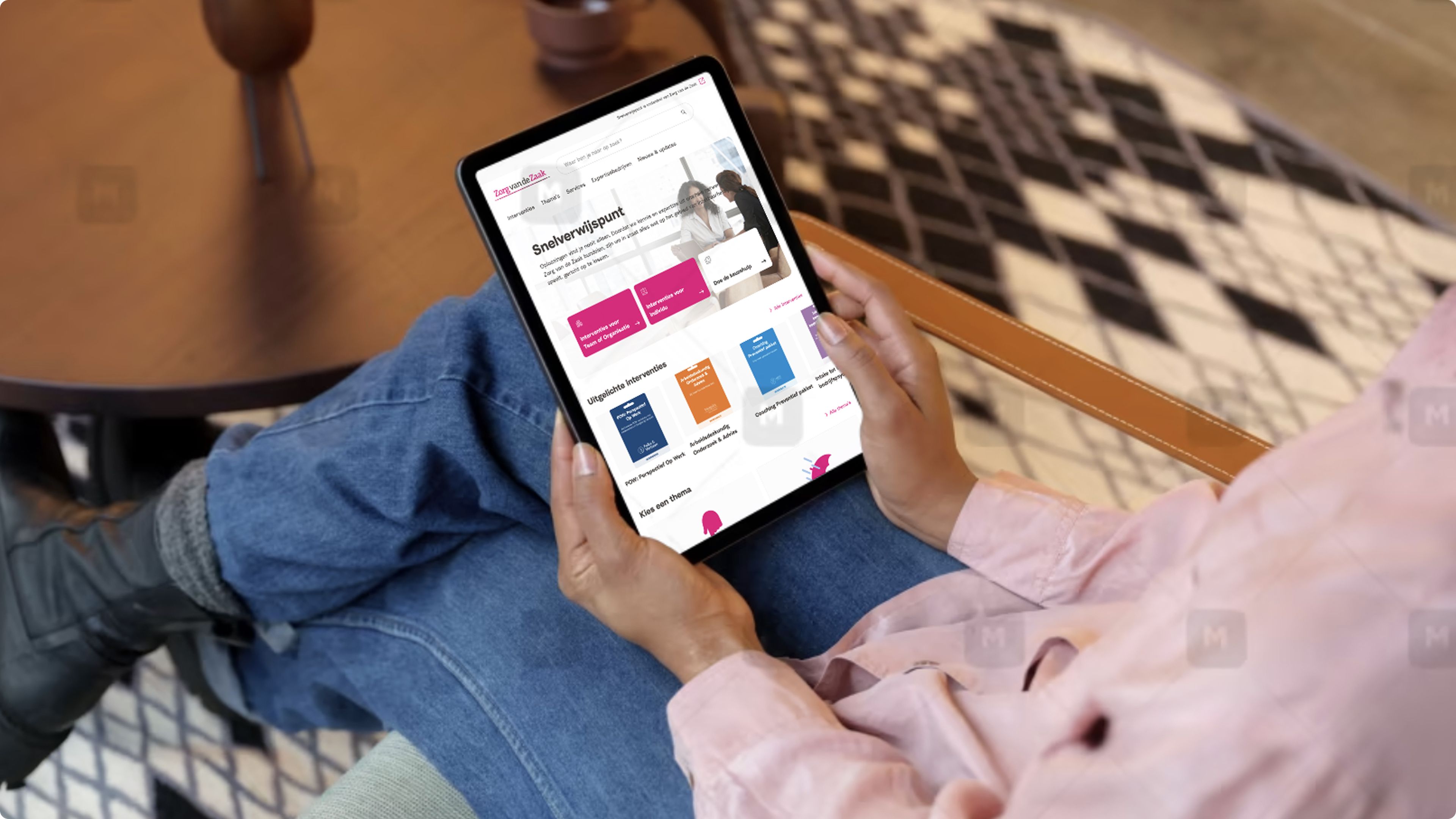

B2B client portal interface shown on desktop and mobile devices

What a client portal actually needs to do

Before you think about build versus buy, it helps to be clear about what the portal needs to do for your clients. In most B2B contexts, that's some combination of:

  • Document sharing: contracts, reports, certificates, invoices. Clients want to find them fast, without emailing.
  • Project status: where does everything stand? What milestones are done? What's open?
  • Communication: messages, replies, approvals. Ideally in context, not in a separate inbox.
  • Invoicing and contract data: clients want visibility without having to call every time.
  • Data access: for some organisations this goes further, think custom dashboards with client-specific KPIs, feeds from third-party systems, or on-demand reporting.

That list sounds manageable. The problem is that standard tools support each of these functions in isolation reasonably well, but rarely connect them cleanly without custom work.

Livewall perspective

The SaaS tool works for the basics, then costs far more than expected the moment you try to make it fit how your business actually works.

The hidden costs of SaaS portal tools

The price on the pricing page doesn't tell the full story. In our experience, there are three cost categories that consistently catch organisations off guard.

Per-seat pricing compounds quickly. Many tools charge per user per month. For a B2B business with a hundred active client accounts, that adds up fast. You end up paying for users who might open the portal once a quarter.

White-labelling has hard limits. Most SaaS portals let you add a logo and pick a colour. But the brand experience stops there. The URL, the email domain, the navigation structure, the way content is presented: all fixed. For organisations where the client experience is a competitive advantage, that's a real problem.

Integrations cost more than advertised. Connecting your ERP, CRM, or project management system almost always costs more than the connector documentation suggests. You're dependent on the tool's API rate limits, update frequency, and the engineering team's roadmap. When the integration breaks on an update, that's your problem to solve, not theirs.

3-5×higher costs with per-seat SaaS tools as client bases grow
60%of B2B portal projects encounter integration problems within the first year
faster to build with a prototype-first approach than specifying up front

The tipping point: when building your own makes sense

There's no universal threshold, but we see a consistent set of signals in organisations that decide to build.

You're paying for features you don't use, and missing the ones you need. If your tooling costs are structurally higher than the value the tool delivers, or you're constantly working around basic functionality, that's a clear signal.

Your client experience is a differentiator. For organisations like Zorg van de Zaak, where Livewall built a B2B platform connecting employers with occupational health services, the experience clients have inside the portal is directly tied to the value of the service. A generic tool can't carry that.

Your data is fragmented. Client information lives in your CRM, project data in your project management tool, invoices in your accounting system. A SaaS portal can rarely surface all of that cleanly. A custom-built portal can act as the integration layer that pulls it together.

You're building for modular growth. For Eindhoven Airport, we built a modular architecture so the platform could grow without being rebuilt. That same principle applies to a client portal: start with the core, add capability as needs evolve.

The real question isn't 'is a SaaS tool cheaper?' It's: 'what does it cost to adapt the SaaS tool to do what we need, versus building exactly what we need from the start?'

What a good portal brief looks like

If you decide to build, the quality of what you get starts with the brief. We see too many organisations brief a portal as a feature list, when the real value sits in the client workflows the portal needs to support.

A good brief for a B2B portal answers at least these questions:

Who are the users and how do they work? Not 'clients', but specifically: account managers on the client side? Finance leads? Operational contacts? Each has different needs and a different cadence of use.

What data needs to be in it, and where does it come from? Make the integrations concrete. Which system is the source of truth for project status? For invoices? What's the update frequency?

What does the portal replace? A lot of email back-and-forth? Recurring calls for status updates? Manual reporting? The answer determines which features deserve priority.

How does it grow? Which features are essential now and which do you want to add later? A well-designed architecture accounts for this, so you're not starting from scratch two years in.

What does the brand feel like? A portal is an extension of your service. The style, tone, and interactions need to match what clients already expect from you.

At Livewall, we start projects like this prototype-first. We build a working version of the core quickly, test it with real users, and adjust based on what we see. That's more efficient than months of specification followed by a build that may not fit reality.

If you're exploring custom tooling or a full web application development engagement for a B2B portal, the prototype stage is where the real decisions get made.

Client portal brief and architecture planning sketch

Livewall

Ready to figure out whether building is the right call?

At Livewall, we help B2B organisations work out when a custom-built portal will outperform a SaaS tool. We think through the brief, the architecture, and the approach together, and build prototype-first so you know quickly whether the direction is right.

Get in touch with our team

What we do

Livewall builds brand experiences that people actually remember — interactive campaigns, loyalty platforms, digital products, and employer branding for ambitious brands.

Our work

We've worked with HEMA, Stabilo, Wehkamp, Efteling, 9292 and many others. Every project starts with the same question: what would make someone actually want to do this?

Talk to us

Working on something similar? We'd love to hear about it.

Contact Livewall →