


livewall
← All articles
Loyalty2 March 2026·Livewall

Always-on loyalty vs campaign loyalty: which model fits your brand?

Some brands need a steady drumbeat of engagement. Others need a seasonal spike. Understanding which model fits your audience is the first design decision, not the last.

loyalty-programsretailcrm

Before you design a single mechanic, assign a single point, or choose a single reward, there is one question you need to answer: does your brand need a continuous relationship with your customer, or is a well-timed spike enough?

This sounds simple. Most brands skip it anyway. They choose a loyalty programme because a competitor has one, or run a campaign because the budget fits. That is backwards.

At Livewall, we design and build loyalty programmes and campaigns for consumer brands across retail, FMCG, entertainment, and more. What we see repeatedly: the brands that get the most out of loyalty are the ones that deliberately choose the right model, not the most popular one.

Livewall perspective

The model you choose determines not just how you build loyalty, but how you measure it, maintain it, and defend it to the boardroom.

What is always-on loyalty?

Always-on loyalty is about continuous engagement. The programme runs year-round, rewards recurring behaviour, and gradually builds an emotional relationship. Think points collecting, status tiers, daily check-ins, or a membership that grows more valuable the longer someone uses it.

This model works best when:

  • Customers return regularly, weekly or monthly
  • Your product or service is part of an existing habit
  • You want to build behavioural data over time
  • You want to improve retention structurally, not just around a promotion

It requires investment. An always-on programme needs technical infrastructure, consistent communication, and a team to manage it actively. But when the foundation is solid, it delivers something campaigns never can: a retention strategy that reinforces itself.

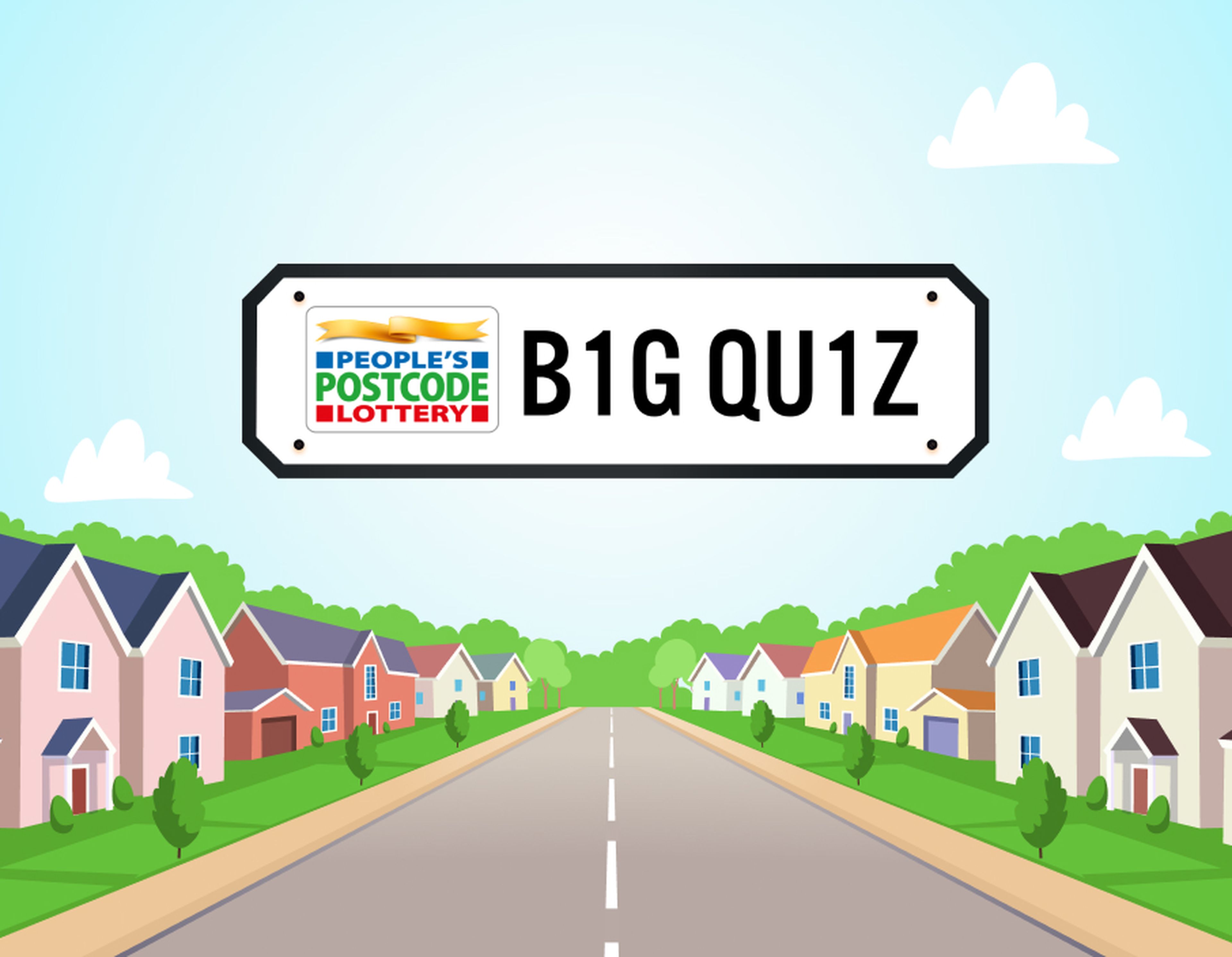
People's Postcode Lottery always-on web games built around daily return and neighbourhood play

People's Postcode Lottery: always-on web games where postcode-based play drives daily return.

What is campaign loyalty?

Campaign loyalty is temporary, intentional, and designed to activate a specific moment. A seasonal promotion, a product launch, a holiday, a sporting event. The goal is a spike in engagement and transactions, not a permanent relationship.

This model fits better when:

  • Your audience does not interact with your brand daily
  • You want to maximise a seasonal moment
  • You have limited budget for long-term technical infrastructure
  • You want a sharp first-party data harvest around a specific period

Campaign loyalty has a reputation for being one-and-done, but that does not have to be the case. A well-designed gamified loyalty campaign can generate weeks of repeat visits, attract new customers, and deliver structured CRM data if you build it right.

Wehkamp proved this with Wanna Have Days: customers returned daily to unlock digital cards with discounts, gift ideas, and prizes. The time pressure and the surprise were the drivers. Without the campaign window, it would not have worked. The same principle applied to the Rituals Advent Diorama 2025, where visitors discovered new gifts each day inside an interactive digital world. The scarcity gave the engagement its value.

Always-onprogrammes build behavioural data over months, not days
3-7xhigher daily return rates with well-designed campaign mechanics
2 modelseach requiring a different technical and organisational investment

How to choose the right model

The answer comes down to three questions.

1. How often does your customer naturally return? A supermarket, a streaming service, or a sports retailer sees customers weekly. Always-on loyalty builds on existing behaviour. A jeweller, a car dealer, or a travel brand may only see customers a few times a year. Campaign loyalty fits far better there, because you maximise the scarce contact you do have.

2. What is your technical ambition? Always-on requires a platform, CRM integration, a persistent data trail, and ongoing communication. Campaign loyalty can run on a lighter technical base but demands sharp campaign management. Both are serious investments, just in different areas.

3. What do you want to measure? Do you want to build long-term customer lifetime value and behavioural data? Then always-on is the right instrument. Do you want to measure conversion in a specific period, activate new customers, or amplify a product launch? Then a campaign model fits your objectives better.

These questions determine the architecture of your loyalty programme design, not the choice of platform or mechanic.

The hybrid option

Many brands combine both models: an always-on base with campaign moments that give engagement an extra push. This is smart, but it requires discipline. The campaign must reinforce the always-on layer, not replace it.

A common mistake is launching an always-on programme and then layering so many campaigns on top that members no longer know what is permanent and what is temporary. That erodes trust in the programme.

At Livewall, we call this the "programme tone". An always-on programme communicates consistency and reliability. A campaign communicates excitement and urgency. Use them together, but keep the tones distinct.

A good example is HEMA Stapelgek: a loyalty activation using game mechanics to structurally increase app engagement and repeat purchase behaviour, built as a recurring mechanic rather than a one-off promotion. And McDonald's Spain MyMcDonald's World shows how a gamified 3D loyalty world with seasonal areas can keep customers returning year-round by layering campaign freshness onto an always-on destination.

The cost of choosing the wrong model

When brands choose the wrong model, they pay twice. A retail brand with daily customers that only runs campaigns misses months of retention data and leaves valuable relationships untouched. A niche lifestyle brand that builds a full always-on programme spends a year on infrastructure for an audience that visits twice a year.

The choice is strategic, not tactical. It sets your technical roadmap, your communication calendar, your CRM architecture, and your team structure. Make it early in the process, not as a last step.

If you want to think through which model fits your brand and audience, that is exactly the kind of conversation Livewall has with brands regularly. Honest advice, based on what we see working in practice.

Livewall

Which loyalty model fits your brand?

At Livewall, we help you make that choice based on your audience, your data, and your objectives. No template advice, but an approach built around how your customers actually live.

Get in touch with our team

What we do

Livewall builds brand experiences that people actually remember — interactive campaigns, loyalty platforms, digital products, and employer branding for ambitious brands.

Our work

We've worked with HEMA, Stabilo, Wehkamp, Efteling, 9292 and many others. Every project starts with the same question: what would make someone actually want to do this?

Talk to us

Working on something similar? We'd love to hear about it.

Contact Livewall →