livewall

Nobody is loyal to your discounts

By Maarten Van Bogaert, Chief Growth Officer at United Playgrounds

More shoppers are letting AI compare their loyalty programmes for them, discounts, points and all. Since most programmes are built the same way, there's little left for AI to miss once it starts reading the terms. Maarten explains why making the platform smarter won't fix that, and what actually gives people a reason to stay.

Share & copy

Service

Loyalty

Rewarding programs and mechanics that turn customers into loyal advocates.

More about Loyalty
Media item 1

Introduction

One in three consumers now uses AI to research loyalty programmes. In the UK it is 64% of Gen Z. And the category where it happens most, ahead of travel, ahead of fashion, is groceries. People are running language models to optimise… the way they buy milk.

That comes from Comarch's report on loyalty in the AI era, and I have no argument with the data. It is the conclusion I would be careful with. A smarter platform, however personalised, contextual and relevant, is like putting a bigger engine in a car stuck in traffic.

What the agent actually does

A loyalty programme has to be simple. Easy enough to understand, easy enough to use, easy enough to return to. And any brand getting into loyalty copies the basics from someone else, in some form or another. There isn't much variation on a functional level.

That is exactly the problem now. The simplicity, and quite frankly, the blandness, is what makes comparing so easy. People never put in that effort before. We have AI for that now. Based on a Logica Research with 3000 online shoppers, 83% see a clear benefit in using AI, led by saving time and better prices. It's been a great period for the cheapest milk brand.

AI reads the terms, ranks you against your competitors, works out which categories and products are cheapest where and when, and bypasses all the sexy stuff you built around it. Nothing gets missed. The welcome discount, the birthday voucher, the seasonal promo. All of those numbers and conditions, one prompt away.

But perhaps this is a good thing.

What most brands call loyalty has carried on discounts and points for far too long anyway. It hasn’t paid off as much as brands think it did, which is often a measurement issue. And the industry has known that for a while. Let me backtrack that. The industry should have known that for a while.

Ehrenberg-Bass has been making an unglamorous version of this point for decades. Loyalty programmes mostly collect the people who were already buying you, skewing hard toward your existing heavy buyers. You are paying to keep people coming who were coming anyway, and it may not be changing their behaviour all that much.

What is new is that it becomes visible. Brands will see baskets getting smaller and frequency dropping, with nothing in the dashboard saying why. The reflex will be to pull the only lever they know, which is more discount. A losing game, if you ask me.


Media item 1
Media item 2

So what now?

Most people reading this want to get to the how, and I get that. Fear not, there are a few things you can do to get off the road to discount hell. But full disclosure, if it were easy, everyone would do it.

One is making sure you show up better. Your brand, your categories and your products have to be readable for when AI is the one choosing. Your brand has become a data structure. Price, availability, specs, ratings, reviews. AI reads your product feed, and the quality of that read decides whether you show up in the answer.

Most of that is a visibility problem. The agent does not reward the biggest media budget. It rewards the catalogue it understands best. Missing attributes, vague descriptions, a taxonomy that argues with itself. All of it reads as ambiguity, of which AI is not a fan.

Practically, every platform publishes its own list of what it wants, and they’re all different. OpenAI accepts feed updates every fifteen minutes. So this is not a project with a start and end date, it is a continuous pipeline, and the right setup makes a disproportionate difference. It’s inclusion here is granted by the fact that it gets underestimated so easily, while it has a clear fix. Our commerce agency De Nieuwe Zaak (DNZ) works with Feedonomics on exactly this layer.

But why leave that choice to a machine at all? When people put your brand into an LLM by name, they rarely get shown alternatives. That is mental availability, being thought of at the moment of decision. Nothing has changed about how you build it, and no, this one is not an easy fix. But it is simple. It has also become considerably more important, because it used to decide whether you got picked off the shelf. Now it increasingly decides whether a shelf with your competitors on it gets built and shown at all.

And my programme?

Here’s something blatantly obvious for you. If the shopping starts inside your own app, the comparison never happens, because the question never gets asked. So the question is how to get in people’s heads to form habits that trigger them to tap your app more often. And I don’t mean scanning at the counter, that's baseline. I’m talking about daily, weekly engagements that pull people in because they want to, even between purchases.

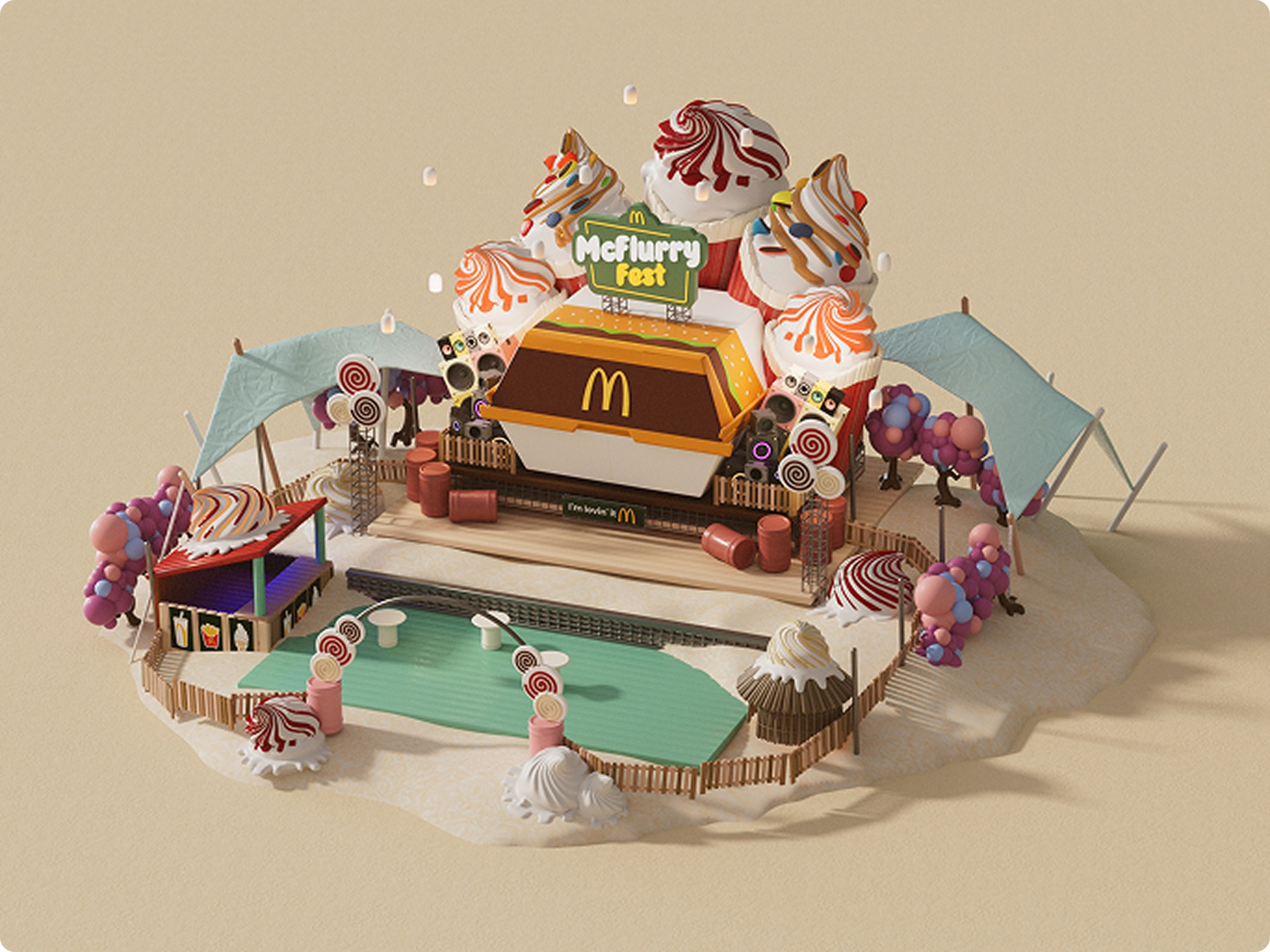
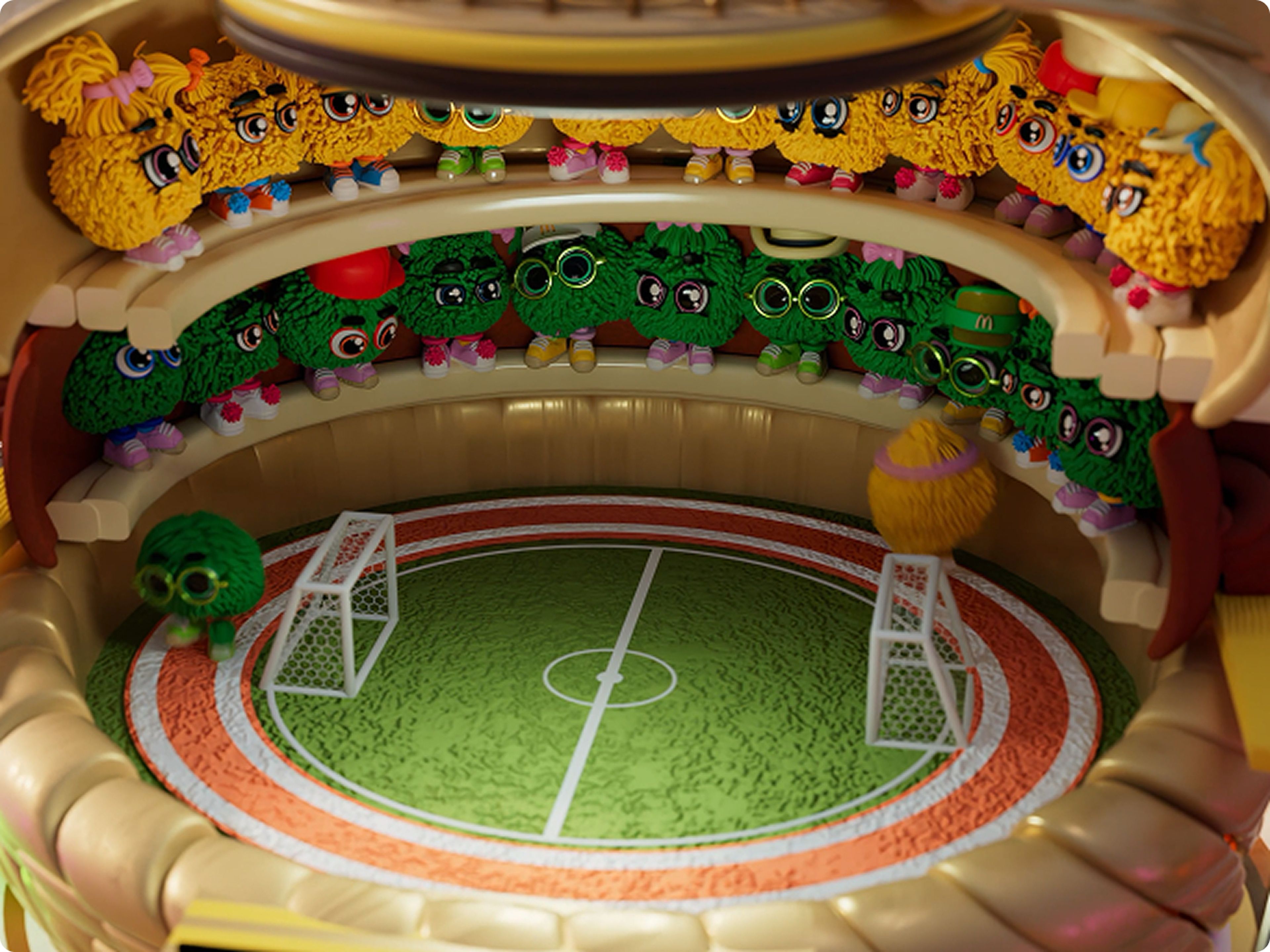
Brands that are moving on this domain are putting play into the app. Games, challenges, things to collect, things that entertain, add value. Our engagement agency livewall builds these for Rituals, McDonald's and alike, much the way Duolingo built its user base. I’ve often referred to it as the flood that raises all boats. Doing one thing well, greatly impacts many aspects we care about.

We’ve proven it pulls people into your ecosystem with entertainment and the possibility of a reward (more than 1M qualitative leads for Rituals and counting). It gets people to gladly share preference data. ** It increases redemption, because someone who has played for something is far more likely to use it (2-3x higher redemption for coupons handed through a game in comparison to regularly pushed ones for McDonald’s). And it produces daily and weekly engagement measured in minutes, which no ad will ever buy you (nearly 10 sessions/week/user for Proximus, across multiple quarters).

Voluntarily. Surrounded by your brand the whole time. Talk about building mental availability.

A reason to come and a reason to stay are two different jobs, and almost nobody is doing the second one.

Media item 1
Media item 2

The end (of the column, not loyalty)

Most programmes should be more honest about what they are. Discount machines. Overhyped stamp cards. That flew under the radar for long enough, and AI is now raising the pressure, because they are failing all three jobs above here at once. They do not make you readable to a machine, they are not built to get people asking for you by name, and they give nobody a reason to open your app on a day when they need nothing from you.

The three are not equal either. Being asked for by name is the only one that pays twice. Most of the time it stops the comparison from happening at all, and when one happens anyway, the brands that come up are the ones people already know. It is also, admittedly, the slowest thing on the list to build.

So, no loyalty programme? No, that is not what I am saying.

But make it BIG. Give it campaign treatment. Make the programme itself famous, so that it carries mental availability rather than just paying out rebates. Then put something inside it worth coming back to.

I am fairly sure nobody is loyal to a discount, and that most of the conversations happening right now are about the wrong layer.

This is where the fun begins

Ready to design interactions that actually stick with your brand? Let's talk.