

livewall

Insight

·

5 min read

The power of FOOH marketing

Media item 1

When the impossible looks real

Sometimes the most striking moments never happened in the real world.

A Jacquemus bag driving through the streets of Paris. A giant Nike shirt stretched between Big Ben in London. A Barbie stepping out of her box at the Burj Khalifa in Dubai. Chances are you have come across images like these. They travel quickly across social media, gather millions of views and spark conversations everywhere.

What these moments have in common is simple. They are all examples of Fake Out of Home, often referred to as FOOH.

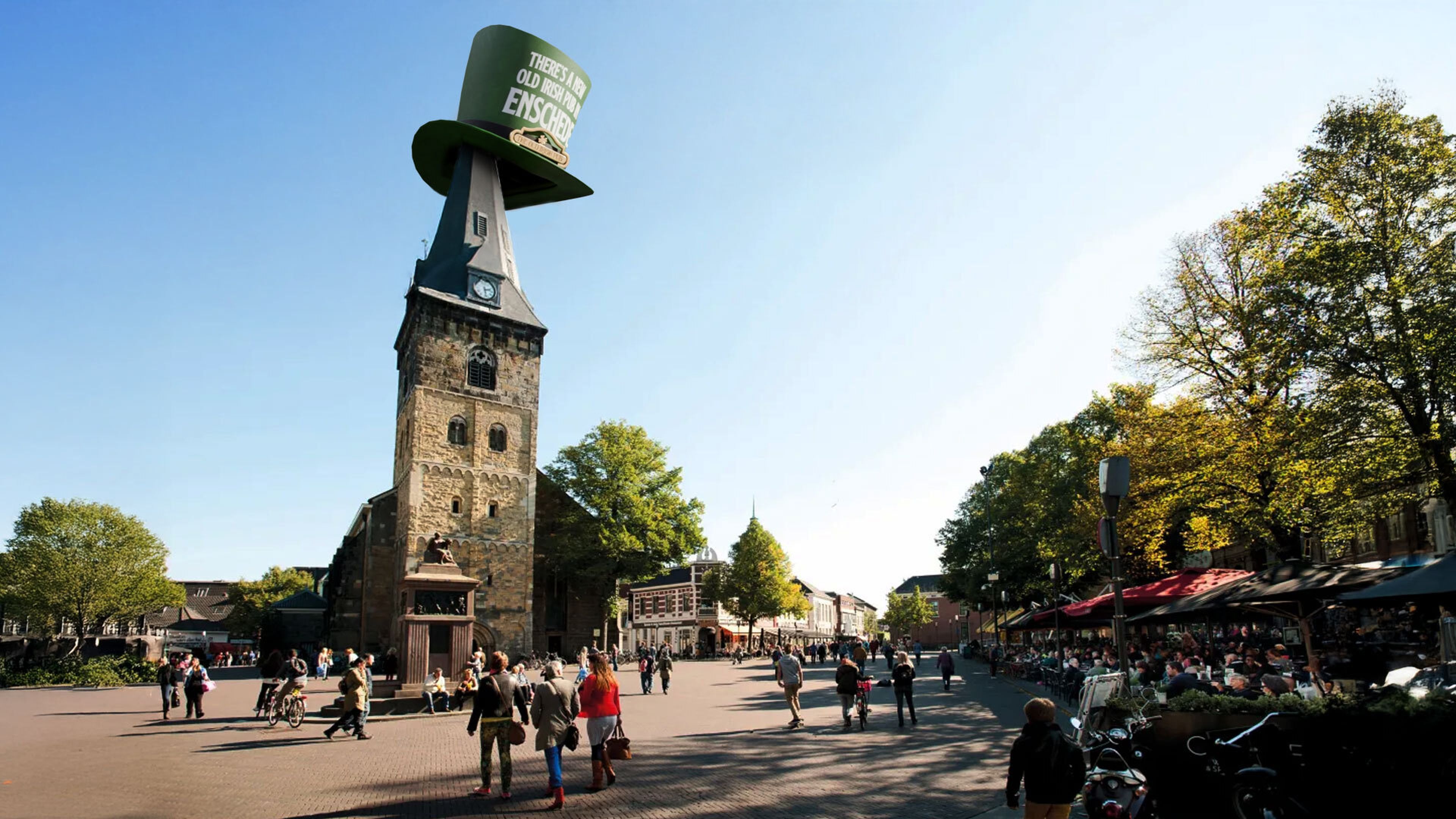
FOOH looks like a real world activation placed in a city or public space. In reality, the scene is created entirely with CGI. The result is a visual that feels believable enough to be real, while still surprising enough to make people pause. It plays with the boundary between reality and imagination, and that tension is exactly what makes people look twice.

Why FOOH stands out

Standing out online has become increasingly difficult. Every day we scroll past hundreds of pieces of content. Most disappear as quickly as they appear.

FOOH approaches attention from a different angle. Instead of pushing a message harder, it creates a moment people want to share. The visual feels unexpected but still grounded in the real world.

Because the illusion looks convincing, people start asking the same question. Did this actually happen?

That curiosity turns a piece of branded content into something people discuss and repost themselves. The reach often grows organically because the content feels entertaining rather than promotional.

What is Fake Out of Home

Standing out online has become increasingly difficult. Every day we scroll past hundreds of pieces of content. Most disappear as quickly as they appear.

FOOH approaches attention from a different angle. Instead of pushing a message harder, it creates a moment people want to share. The visual feels unexpected but still grounded in the real world.

Because the illusion looks convincing, people start asking the same question. Did this actually happen?

That curiosity turns a piece of branded content into something people discuss and repost themselves. The reach often grows organically because the content feels entertaining rather than promotional.

Why FOOH stands out

FOOH looks like a real world activation placed in a city or public space. In reality, the scene is created entirely with CGI. The result is a visual that feels believable enough to be real, while still surprising enough to make people pause.

It plays with the boundary between reality and imagination. A familiar city. A recognizable landmark. A brand appearing in a way people did not expect. That tension is exactly what makes people look twice.

A well known example

One of the most widely shared examples comes from Maybelline in London. To introduce a new mascara, a giant mascara brush appeared to curl the lashes of an underground train as it moved along the tracks.

The moment looked like it was filmed in the city, but the entire scene was digitally created. The idea was simple and immediately understandable. Mascara that lifts lashes, visualised at the scale of a train.

The video quickly gained traction online and generated a wave of attention across social platforms. More importantly, the concept translated the product benefit into a visual people instantly understood.

When a FOOH campaign makes sense

FOOH works best when it amplifies a moment that already matters. A product launch. A campaign highlight. Or a seasonal period where brands compete for attention.

During these moments, audiences are exposed to a high volume of marketing messages. Creating something visually unexpected can help a brand break through that noise without relying solely on media spend.

A single strong visual can travel across platforms, spark conversations and extend the reach of a campaign far beyond the initial post.

For brands, FOOH is not just a creative trick. It can be a strategic choice. It shows a willingness to explore new forms of storytelling and to experiment with how digital visuals interact with the physical world people recognize.

When the concept is clear and the execution feels believable, the result becomes more than a single piece of content. It becomes a moment people remember.

this is where the fun begins.

Ready to design interactions that actually 
stick with your brand? Let's talk